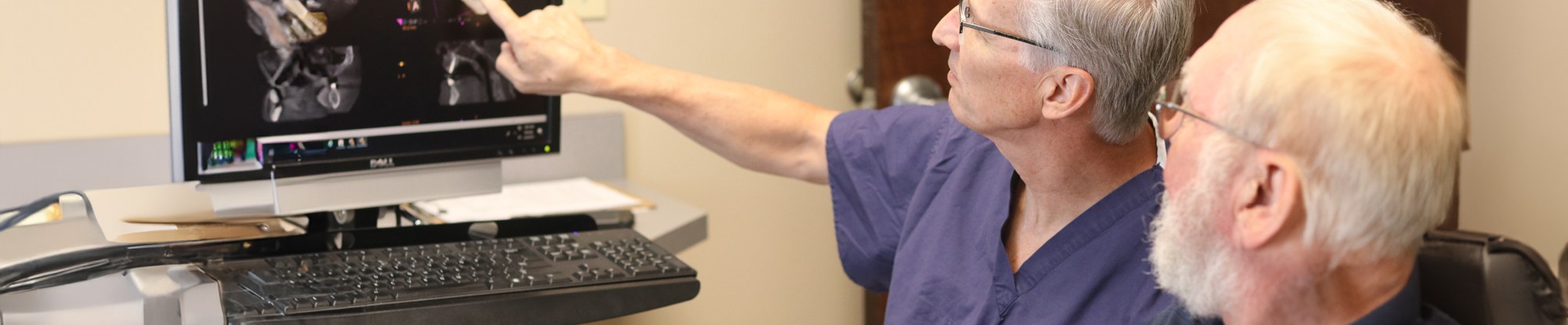



Bone Grafting in Tuscaloosa
Bone Grafting: Restoring Function and Aesthetic Appeal
When teeth are lost, the jawbone begins to atrophy or resorb over time, leading to a decline in both bone quality and quantity. This can make it difficult or even impossible to place dental implants and can result in shifting of the remaining teeth and changes to your facial structure. Fortunately, advancements in bone grafting allow us to restore and regenerate bone where it’s needed, offering a solution that not only makes implants possible but also helps restore your smile’s function and aesthetics.
What is Bone Grafting?
Bone grafting is a procedure that replaces missing bone or promotes new bone growth in areas where bone has been lost. This is especially crucial for individuals who have experienced bone loss due to missing teeth, injury, or other factors, making them unsuitable candidates for dental implants. With bone grafting, we can rebuild the bone structure, creating a solid foundation for dental implants and improving the overall appearance and health of your mouth.
Do You Have Missing Teeth or Serious Pain in Your Teeth or Jaw?
Call Us Now to Reclaim a Pain-Free, Confident Smile!
Types of Bone Grafts
There are different types of bone grafts, each with its own advantages depending on your specific needs:
-
Autogenous Bone Grafts (Autografts): These grafts use bone harvested from your own body, typically from the jaw, hip, tibia, or skull. The major benefit of autografts is that they contain living cells, promoting natural bone growth. However, they require a second procedure to harvest the bone from another part of your body.
-
Allogenic Bone Grafts (Allografts): These are harvested from cadavers and processed to remove water and preserve the bone’s structure. Allografts serve as a scaffold for your body’s natural bone to grow into, but they do not promote bone growth on their own. They are a good option if a second procedure isn’t ideal.
-
Xenogenic Bone Grafts: Derived from animals (usually cows), xenogenic bone is processed at high temperatures to avoid immune rejection and contamination. Like allografts, they act as a scaffold for bone regeneration.
-
Bone Graft Substitutes: Synthetic materials, such as demineralized bone matrix (DBM), bone morphogenetic proteins (BMPs), and graft composites, are used to mimic natural bone and encourage growth. These materials offer the advantage of eliminating the need for a second procedure.
Major Bone Grafting
Major Bone Grafting is typically used to treat significant bone defects caused by previous extractions, gum disease, trauma, or congenital issues. Large defects may require bone harvested from areas like the hip, tibia, or skull. In some cases, special membranes are used to encourage bone regeneration, a process known as guided bone regeneration (GBR). Major bone grafts are performed in an operating room and usually require a hospital stay.
Reasons for Jaw Bone Loss
Bone loss in the jaw can occur for various reasons, including:
-
Tooth Extractions: When a tooth is extracted and not replaced, the jawbone may begin to deteriorate due to lack of stimulation. The bone resorbs over time, which can affect the surrounding teeth and overall oral health.
-
Periodontal Disease: Infections of the gums can gradually destroy the bone that supports your teeth, leading to tooth loss and further bone deterioration.
-
Dentures/Bridgework: While dentures and bridges provide solutions for missing teeth, they do not stimulate the underlying bone. Over time, the bone may resorb, leading to poor-fitting dentures or further bone loss.
-
Trauma: Accidents or injuries, such as knocked-out teeth or jaw fractures, can stop the bone from receiving necessary stimulation, leading to bone loss.
-
Misalignment: Teeth that are misaligned or not opposing each other properly can cause abnormal wear and bone deterioration.
-
Osteomyelitis: This bacterial bone infection may require removal of the affected bone, often followed by bone grafting to restore function.
-
Tumors: Benign or malignant tumors that affect the jaw may require surgical removal of bone, with bone grafting used afterward to restore the jaw’s structure.
-
Developmental Deformities: Some individuals may experience congenital bone defects that necessitate bone grafting to restore proper function.
-
Sinus Deficiencies: In the upper jaw, missing molars can cause the sinuses to enlarge, reducing bone available for dental implants. A sinus lift procedure can help restore bone in this area.
The Importance of Jaw Bone Health
Jawbone health is essential for maintaining the overall structure of your face and the proper functioning of your teeth. When the jawbone deteriorates, it can lead to a range of issues, including:
- Misalignment, shifting, or loosening of remaining teeth
- Changes to facial appearance, such as a collapsed profile or sunken cheeks
- Difficulty chewing, speaking, and maintaining proper nutrition
- Increased risk of facial pain, headaches, and TMJ (temporomandibular joint) disorders
- Limited lip support and skin wrinkling around the mouth
Benefits of Bone Grafting
By rebuilding lost bone, bone grafting procedures help restore both form and function to your mouth. They provide the support needed for dental implants, which can transform the appearance of your smile and improve your quality of life. Furthermore, bone grafting can prevent further bone loss, alleviate discomfort, and help restore your ability to eat, speak, and smile with confidence.
If you’re experiencing bone loss due to missing teeth, injury, or other factors, bone grafting may be the solution you need to restore your smile and jaw health. Whether through autogenous bone grafts, allografts, xenografts, or synthetic materials, your dentist will work with you to determine the best course of action to ensure the long-term health of your mouth and the success of your dental implants. Contact our office today to schedule a consultation and learn how bone grafting can help you regain both function and aesthetics.