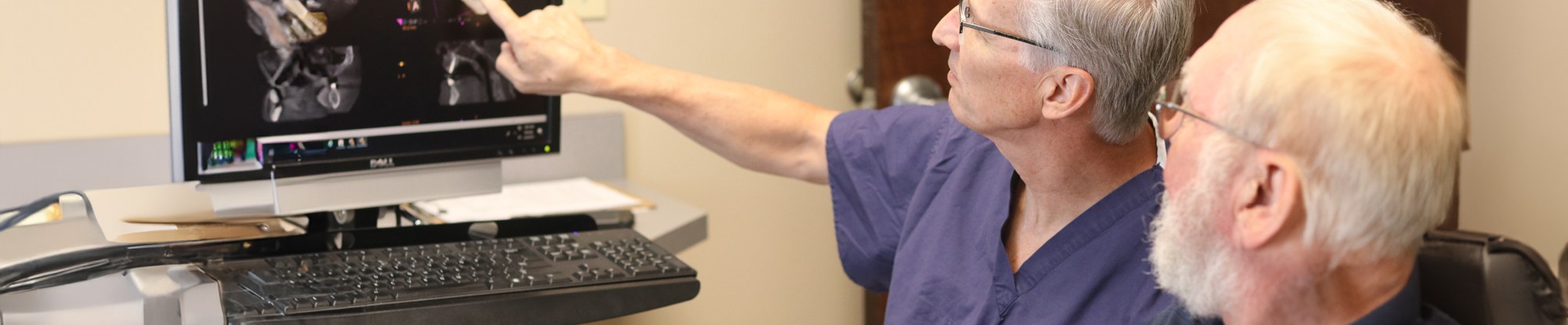



Facial Trauma Treatment in Tuscaloosa, AL: Expert Care for Facial Injuries
What is Facial Trauma? Facial trauma refers to injuries to the face, including fractures, lacerations, and dental injuries, often resulting from accidents, falls, sports, or violence. These injuries can affect the skin, bones, and other vital structures such as the eyes, nerves, and salivary glands. Prompt and expert care is essential for restoring both function and appearance.
Dr. Carlson, Dr. Link, Dr. Fairburn, Dr. Farnham, Dr. Loeb or Dr. Davis meets and exceeds these modern standards. They are trained, skilled, and uniquely qualified to manage and treat facial trauma. They are on staff at local hospitals and deliver emergency room coverage for facial injuries, which include the following conditions:
-
Types of Facial Injuries We Treat: At University Oral and Facial Surgery, we specialize in diagnosing and treating a wide range of facial injuries, including:
- Facial Lacerations: Cuts and tears in the skin or oral tissues.
- Intraoral Lacerations: Injuries to the inside of the mouth.
- Fractured Bones: Breaks in facial bones such as the cheekbones, nose, or eye sockets.
- Jaw Fractures: Broken upper and lower jaws.
- Avulsed (Knocked-Out) Teeth: Displaced teeth requiring replantation or stabilization
Causes of Facial Trauma Facial injuries can occur due to:
- Motor vehicle accidents
- Sports-related injuries
- Falls or accidents
- Workplace injuries
- Physical assaults
Treatment for Soft Tissue Injuries Soft tissue injuries, such as facial lacerations, are repaired using advanced suturing techniques to minimize scarring. We also assess and treat damage to surrounding structures like facial nerves and salivary glands.
Treatment for Bone Injuries Facial fractures are treated based on their location and severity. We use techniques such as rigid fixation, where small plates and screws stabilize the fractures, allowing for faster recovery and minimal scarring. In some cases, jaw wiring may be necessary for specific fractures.
Dental Injury Treatment For dental injuries, including knocked-out teeth, our oral surgeons replant and stabilize teeth to enhance their chances of survival. If a tooth cannot be saved, dental implants can restore your smile and function.
Why Choose Us for Facial Trauma Care? Our team of skilled oral and maxillofacial surgeons provides compassionate, expert care for all types of facial trauma. We prioritize both immediate treatment and long-term recovery, ensuring the best possible outcomes for function and appearance.
Insurance and Payment Options We accept most major insurance plans for facial trauma treatment. Contact us to discuss your options.
Schedule Your Consultation If you have experienced facial trauma, contact us today at University Oral and Facial Surgery, P.C. Phone Number 205-556-2323 to schedule a consultation with one of our experienced surgeons.
Do You Have Missing Teeth or Serious Pain in Your Teeth or Jaw?
Call Us Now to Reclaim a Pain-Free, Confident Smile!
Do You Have Missing Teeth or Serious Pain in Your Teeth or Jaw?
Call Us Now to Reclaim a Pain-Free, Confident Smile!