


Wisdom Teeth Removal in Tuscaloosa
What Are Wisdom Teeth?
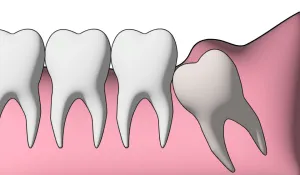
Wisdom teeth, or third molars, are the last set of teeth at the back of your mouth. They typically emerge in your late teens to early twenties. While they used to be essential for early human diets, they often don’t fit well in modern mouths. Because of this, wisdom teeth are prone to complications like impaction, infection, and misalignment.
Why Do Wisdom Teeth Need to Be Removed?
At University Oral and Facial Surgery, our expert team evaluates each patient individually to determine the best course of action. Wisdom teeth removal may be recommended for a number of reasons:
- Impacted Wisdom Teeth: When there’s not enough room for the wisdom teeth to come in properly, they can become impacted, meaning they’re trapped beneath the gums or coming in at an awkward angle.
- Risk of Infection or Cavities: Partially erupted wisdom teeth are difficult to clean, leading to a higher risk of infection or cavities. Removing them can help prevent these problems before they become more serious.
- Damage to Adjacent Teeth: If your wisdom teeth push against neighboring teeth, they can cause damage, pain, or misalignment. Early removal helps avoid this.
- Preventive Measure: In some cases, we recommend removing wisdom teeth even if they aren’t currently causing problems, to prevent future complications down the road.
The Wisdom Teeth Removal Process at University Oral and Facial Surgery
When you come to University Oral and Facial Surgery for wisdom teeth removal, we prioritize your comfort and safety. Here’s what you can expect during the procedure:
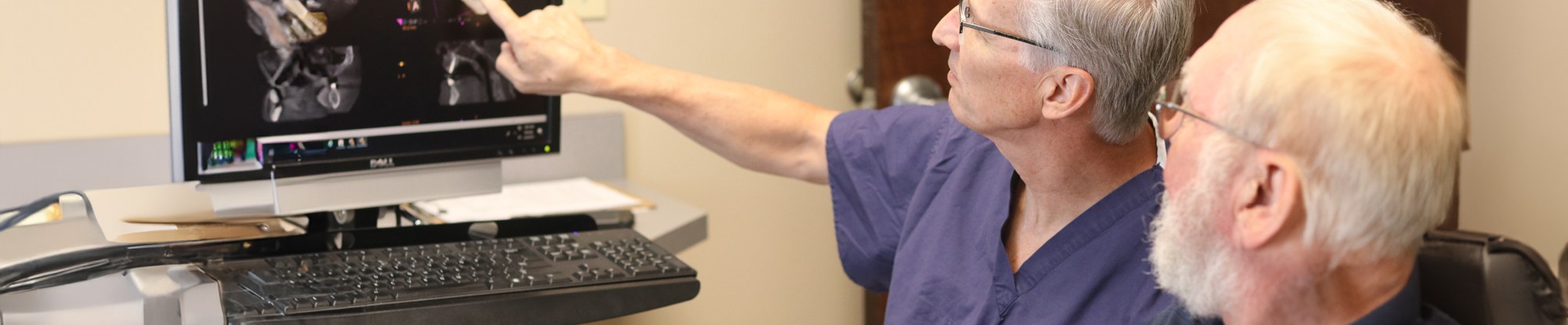
- Consultation and Assessment: Your journey begins with a thorough consultation. Our surgeons will take X-rays of your mouth and assess the position of your wisdom teeth. We’ll discuss your medical history and recommend the best treatment plan for your needs.
- Anesthesia Options: Depending on the complexity of the procedure and your preferences, we offer a variety of anesthesia options, ranging from local anesthesia to general anesthesia. Our goal is to ensure that you’re completely comfortable throughout the procedure.
- Tooth Extraction: Once you’re anesthetized, we’ll carefully remove your wisdom teeth. If the teeth are impacted, we may need to remove some bone or cut the teeth into smaller pieces to make the process smoother.
- Stitches and Healing: After the extraction, your gums will be stitched back together. We’ll provide you with aftercare instructions to ensure the best healing process possible.
Recovery and Aftercare: What to Expect
At University Oral and Facial Surgery, we’re here to guide you through your recovery with expert aftercare. While the healing process can vary from person to person, here’s a general idea of what to expect:
- Swelling and Discomfort: Swelling and discomfort are common after the procedure, especially in the first 48 hours. Ice packs can help reduce swelling, and we’ll prescribe pain medications to keep you comfortable.
- Dietary Restrictions: In the first few days, you’ll need to stick to soft foods and avoid anything that might irritate the extraction site, such as crunchy or spicy foods.
- Oral Hygiene: Keeping your mouth clean is essential. You may be advised to rinse with salt water, and we’ll give you guidance on when and how to gently brush your teeth to avoid disturbing the surgical site.
- Follow-up Appointments: We’ll schedule follow-up appointments to monitor your healing and ensure everything is progressing as expected. If you have non-dissolvable stitches, we’ll remove them during this visit.
FAQs About Wisdom Teeth Removal at University Oral and Facial Surgery
1. How long does the procedure take? The length of the procedure depends on how many wisdom teeth are being removed and their position. Generally, the procedure lasts between 45 minutes and an hour. More complicated cases may take longer.
2. How long does recovery take? The initial recovery period typically lasts 3-5 days, with swelling peaking around day 2. Most patients feel significantly better within a week, but complete recovery may take a few weeks depending on the complexity of the extraction.
3. Is wisdom teeth removal safe? Yes, wisdom teeth removal is a safe procedure when performed by an experienced oral surgeon. At University Oral and Facial Surgery, we use the latest techniques to ensure your safety and comfort throughout the procedure.
4. Can I drive myself home after the procedure? If you’ve been sedated or received general anesthesia, you should not drive yourself home. Please arrange for a friend or family member to take you to and from the appointment.
5. What happens if I don’t remove my wisdom teeth? If your wisdom teeth are impacted or have the potential to cause problems, leaving them untreated could lead to pain, infection, or damage to surrounding teeth. Our team will help you weigh the pros and cons of removal and make the best decision for your oral health.
6. Will my wisdom teeth grow back? Once your wisdom teeth are removed, they will not grow back. Your gums will heal naturally over time, and the space left by the teeth will gradually close.
Schedule Your Consultation Today
If you’re experiencing discomfort or are concerned about your wisdom teeth, don’t wait to get the care you need. At University Oral and Facial Surgery, our skilled team is here to provide you with the best possible treatment and support. Contact us today to schedule a consultation and take the first step toward improved oral health!